
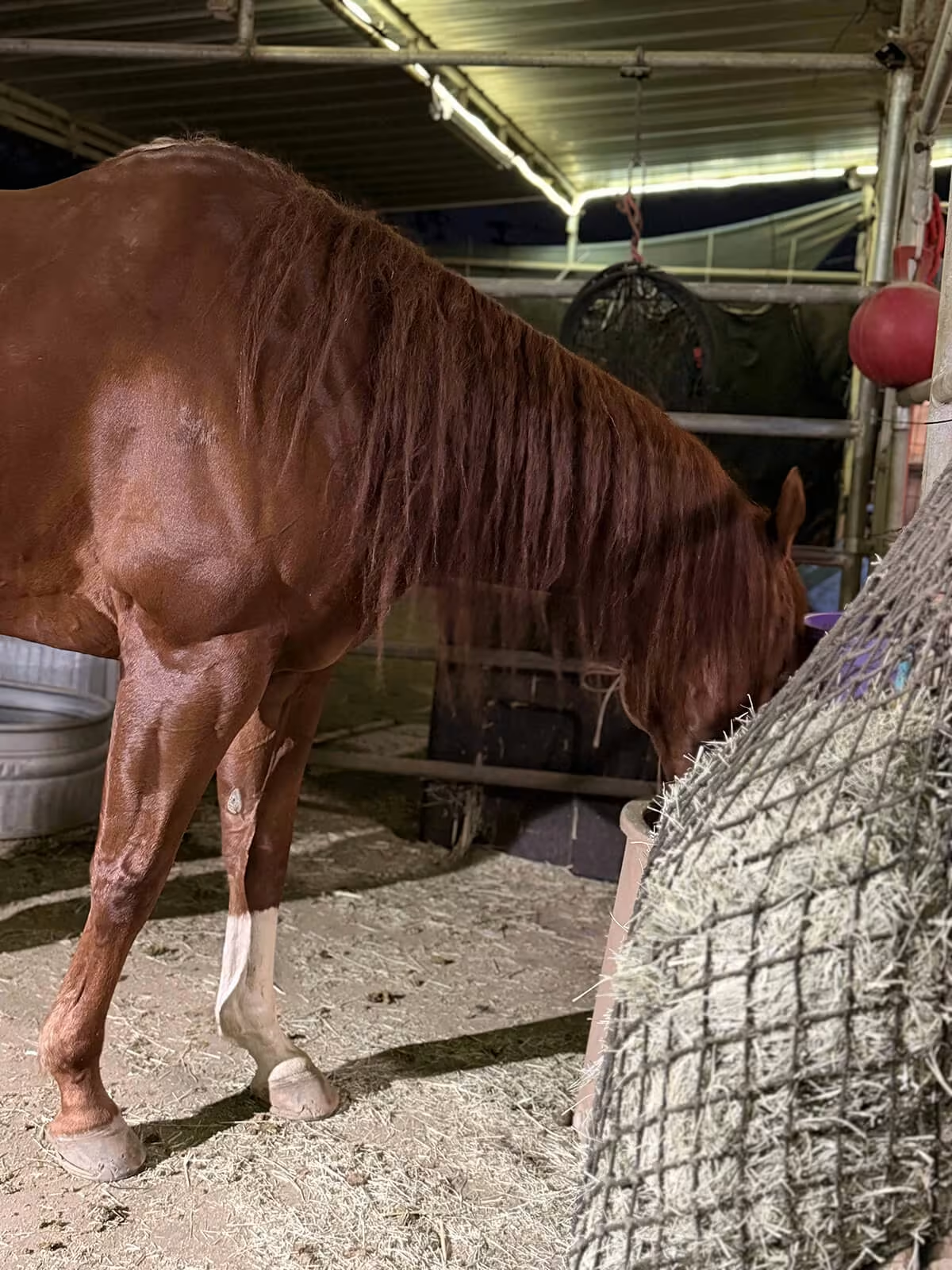
Best Hay and Feeding Strategy for Horses with Ulcers
If you have ever been told “just feed alfalfa” or “alfalfa is bad,” you have likely been given incomplete advice.
Alfalfa vs grass hay for horse ulcers is not a debate. It is about using the right forage at the right time. The correct combination and timing can improve comfort, digestion, and performance.
If your horse is showing signs like weight loss, girth sensitivity, attitude changes, or recurring colic, involve your veterinarian. Ulcers require proper diagnosis, and some cases need medical treatment.
Quick Feeding Strategy for Ulcer Horses
Most ulcer-prone horses do best with a structured approach:
- Grass hay as the primary forage base
- Small, targeted alfalfa servings
- Continuous access to forage
- Avoiding long periods with an empty stomach
Before riding, feeding a small amount of alfalfa 30 to 60 minutes prior can help support comfort during work.
Alfalfa vs Grass Hay in the Digestive System
Grass hay and alfalfa serve different roles in a feeding program.
Grass Hay
Grass hay such as Bermuda, Timothy, or Teff is typically higher in volume and lower in density. It supports longer chewing time and helps maintain steady digestion. This makes it a strong base forage for ulcer-prone horses.
Alfalfa Hay
Alfalfa is more calorie-dense and higher in calcium. The calcium content can help buffer stomach acid, which may improve comfort in some horses. It is most effective when used in smaller, strategic amounts rather than as the entire forage base.
A balanced approach often works best. Grass hay provides consistency, while alfalfa is used as a targeted tool.
Why Feeding Timing Matters for Ulcers
Timing is based on physiology, not preference.
Horses produce stomach acid continuously. When there are long gaps without forage, the stomach lining is exposed to more acid, which can increase irritation.
Timing becomes especially important for horses with:
- Ulcer symptoms
- Poor appetite
- High stress from training or travel
Maintaining consistent forage intake reduces the risk of irritation and supports better overall gut function.
Best Feeding Timing for Ulcer-Prone Horses
Nighttime is often the longest gap without food.
Providing grass hay overnight helps extend chewing time and reduce empty stomach periods. Slow feeders or hay nets can help maintain consistent intake.
In the morning, feeding a small amount of alfalfa before work can support comfort during exercise by ensuring there is forage in the stomach.
Why Alfalfa Before Riding Can Help
Many horses experience stress or workload early in the day.
Feeding alfalfa before riding can:
- Provide forage in the stomach
- Support comfort during exercise
- Encourage more consistent eating
This is one of the most practical uses of alfalfa in an ulcer-focused feeding plan.
Calcium and Acid Buffering in Horses
Alfalfa’s benefit comes from its calcium content.
Calcium can help buffer stomach acid, which may reduce irritation in ulcer-prone horses. This does not replace proper management but can support overall comfort.
Improved comfort often leads to better intake, and better intake supports overall gut health.
When Too Much Alfalfa Becomes a Problem
Alfalfa is nutrient-dense, and too much can create imbalances in certain horses.
-
Metabolic Horses
The issue is often excess calories rather than protein. Too much alfalfa can contribute to weight gain and metabolic stress.
-
Tie-Up Prone Horses
Alfalfa does not directly cause tying-up, but a diet that is too dense can increase sensitivity if electrolytes and workload are not balanced.
-
Horses with Kidney Concerns
In horses with compromised kidney function or a history of stones, high calcium intake may need to be managed carefully.
-
HYPP Horses
Alfalfa can be higher in potassium, which may need to be controlled depending on the horse.
How Much Alfalfa Should You Feed
There is no single number that fits every horse.
A practical starting point:
- Use grass hay as the main forage
- Add small amounts of alfalfa strategically
- Monitor body condition, manure, and behavior
Adjust based on workload, metabolism, and individual response.
Simple Feeding Routine for Ulcer Horses
A consistent routine helps support gut stability.
- Morning: small alfalfa serving
- 30 to 60 minutes later: grain or supplements if used
- Daytime: continuous access to grass hay
- Evening: grass hay as the main overnight forage
- Before work or travel: small alfalfa serving
This structure helps reduce empty stomach time and improve overall consistency.
Why Forage-First Matters for Ulcers
Forage is the foundation of equine gut health.
Consistent intake supports digestion, reduces acid exposure, and helps maintain a stable environment in the digestive system.
Minerals and targeted supplements can support recovery, but they work best when the forage foundation is strong.
The Bottom Line on Alfalfa vs Grass Hay for Horse Ulcers
Alfalfa and grass hay are not competing options. They serve different roles.
Grass hay provides consistency and volume. Alfalfa provides targeted support when used strategically.
The goal is not choosing one over the other. It is building a system that supports comfort, digestion, and performance over time.
FAQ: Alfalfa vs Grass Hay for Horse Ulcers
- Is alfalfa good for horse ulcers?
Yes, when used in the right amount and timing. Its calcium content can help support stomach comfort. - Should ulcer horses eat alfalfa at night?
Many horses do better with grass hay overnight because it lasts longer and supports continuous chewing. - How long before riding should alfalfa be fed?
About 30 to 60 minutes before work is a common approach. - Can alfalfa cause tying-up?
It does not directly cause tying-up, but excess dietary density can contribute to issues in sensitive horses. - What is the best hay for ulcer-prone horses?
Most do best with grass hay as the base and small, targeted alfalfa servings.